A sudden stab of jaw pain ruins your whole afternoon. It’s hard to ignore, especially when ice packs are completely ineffective. Dental pain always happens at the worst possible time, so you have to learn to deal with it and recognize the signs of potential pain when you need to see a dentist. If you let damage to your tooth become severe enough, you end up having to deal with an infection. However, a little early treatment helps preserve your smile and helps cut down on the costs associated with dental treatment.
Recognizing Critical Symptoms
It's most likely nerve-related when it is sudden sensitivity to very hot or very cold liquids. Sensitivity of your tooth when you bite is indicative of the pulp that lies within the inner layers of your tooth being inflamed. Nagging aches that interrupt your sleep and wake you up require professional assistance. You should not overlook any kind of persistent swelling of the gums or any sudden changes in the coloration of your teeth.
Managing Severe Pain at Home
There is not much you can do when waiting to be seen by your dentist besides swishing warm saltwater around your mouth. Try to chew on the other side of your mouth and do not chew on the painful side. Some OTC painkillers can mask the pain, but do nothing to address the structural issues. Don't put aspirin on bleeding gums. It causes an acidic burn.
Understanding Advanced Endodontic Care
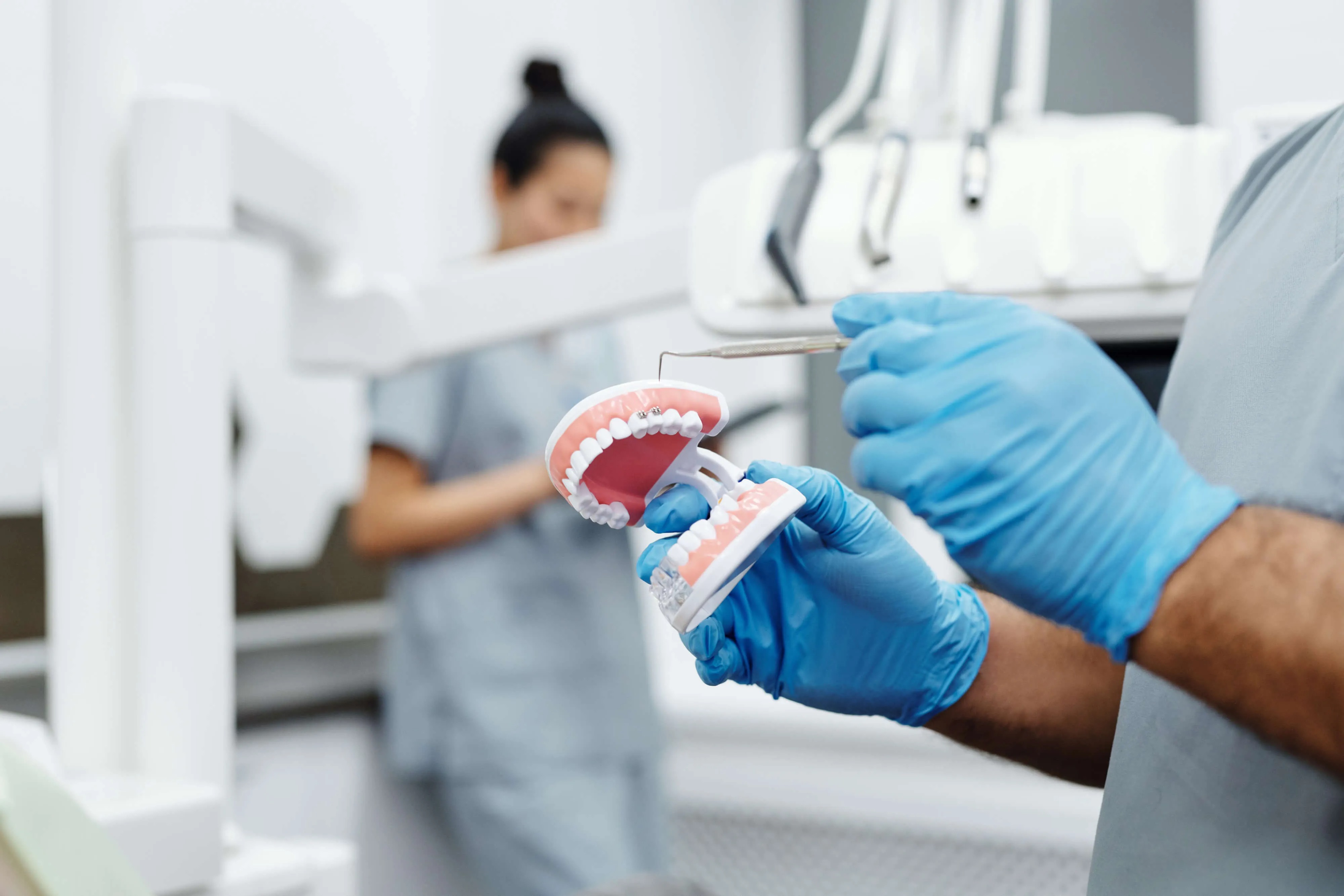
Many people fear endodontic therapy due to outdated dental myths. Modern clinical techniques make root canal treatment surprisingly comfortable and efficient. Local anesthetics are used before the dentist removes the nerve that has been damaged, then cleans the inner chambers of the roots and fills the root canals, ensuring no bacteria can enter and grow in the root.
Handling Sudden Oral Discomfort
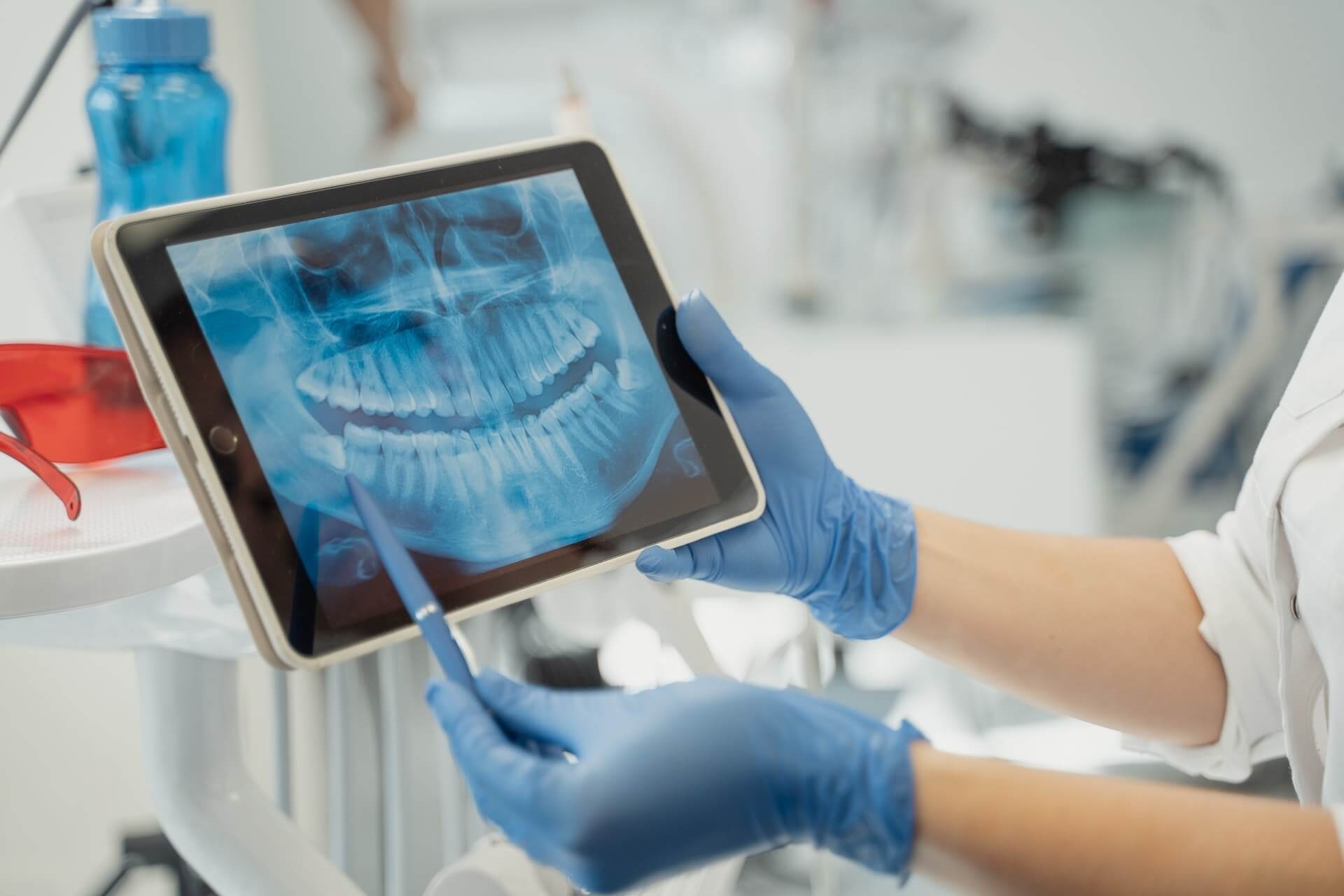
When you’re experiencing sudden and severe tooth pain, you’ll likely want quick relief. In these situations, a toothache emergency visit will not only help to diagnose the root of the pain, but also provide you with instant relief. An example of this is the detection of an underlying crack in the tooth or an infected pulp. For this type of problem, waiting only serves to worsen the discomfort and can result in the development of swelling, infection in other parts of the body, and even the loss of a tooth.
Conclusion
Prolonged dental pain can turn into complicated problems and cost a patient much more money in the long run. There are several benefits of visiting the dentist as soon as you can. A dentist will restore a patient's comfort and can stop future damage to the natural tooth. As soon as you begin to notice pain, book an appointment as soon as possible. As an added benefit of maintaining dental hygiene and care, check-ups will maintain the brightness and overall functionality of the patient’s teeth. Contact Assign Family Dental Group today to book a consult!
FAQs
1: How do I know if my toothache requires urgent medical care?
Severe throbbing pain, facial swelling, fever, or pus around the gumline indicate an oral emergency requiring immediate clinical attention.
2: Does endodontic therapy hurt during the procedure?
Modern local anesthetics numb the affected area completely, making the procedure feel similar to getting a standard dental filling.
3: How long does a restored tooth last after endodontic therapy?
With proper daily brushing, flossing, and regular dental checkups, a treated and crowned tooth can last a lifetime.
4: Can a bacterial infection heal completely without professional dental work?
No, inner pulp infections cannot heal on their own because teeth lack a blood supply to repair damaged nerve tissue independently.
5: What causes inner tooth nerve inflammation in healthy adults?
Deep cavities, repeated dental procedures on the same tooth, cracked enamel, or physical facial trauma usually trigger pulp inflammation.
6: Should I take pain relievers before seeing my dentist?
Over-the-counter pain medicine helps manage discomfort temporarily, but informing the dental team about exact dosages taken remains crucial.